
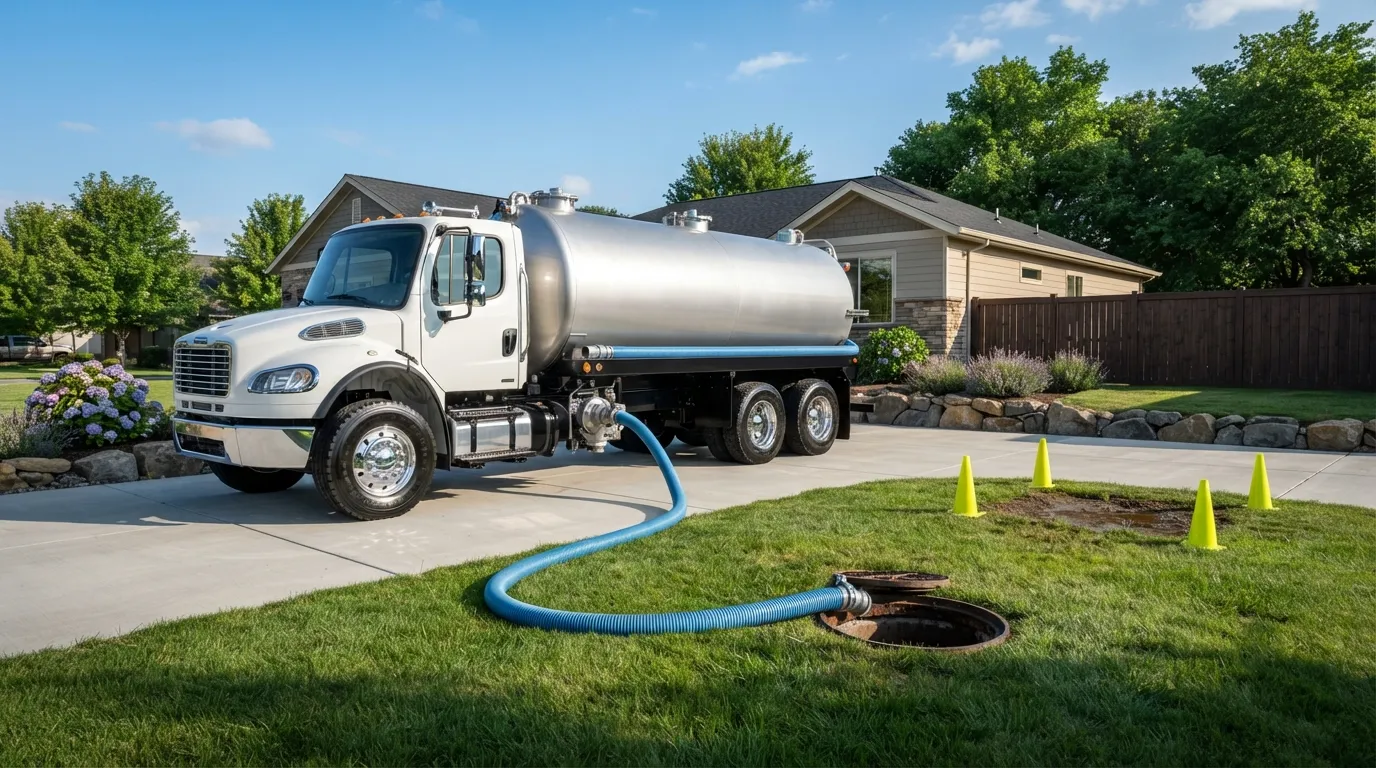
What counts as a septic emergency?
A septic emergency is a system failure that is putting untreated wastewater somewhere it should not be, or is about to. That is a narrower definition than most people expect, and the narrowness is useful, because it separates the calls that need a truck tonight from the ones that need a booking on Thursday.
Call immediately for:
- Sewage backing up through a floor drain, a shower or a basement fixture
- Effluent surfacing anywhere on the property
- A holding tank at or near capacity with no scheduled visit
- A commercial kitchen with a blocked interceptor and a service to run
- Any tank alarm sounding on a pump chamber
Book normally for slow drains with nothing outside, an overdue pump out with no symptoms, or a smell that has been there a fortnight. Those are on septic tank warning signs, and handling them early is what stops the 11pm call.
What should I do before the truck arrives?
Stop using water. Every flush, every load of laundry and every dishwasher cycle adds volume to a system that has already told you it cannot take any more, and the difference between a contained problem and a flooded basement is often forty gallons.
Then:
- Keep people and animals off any surfaced effluent, which carries pathogens
- Do not open the tank lids yourself, since the atmosphere inside is oxygen deficient and generates hydrogen sulphide and methane
- Do not pour additives or bleach down the drains
- Clear a route for the truck, which usually means moving a car
- Find the last pump out receipt if you can, since tank size and location save time on arrival
Pennsylvania regulates onlot systems under the Sewage Facilities Act, Act 537 of 1966, precisely because untreated wastewater is a public health matter rather than a private inconvenience. Treat it that way while you wait.
Why emergencies cluster in certain weeks
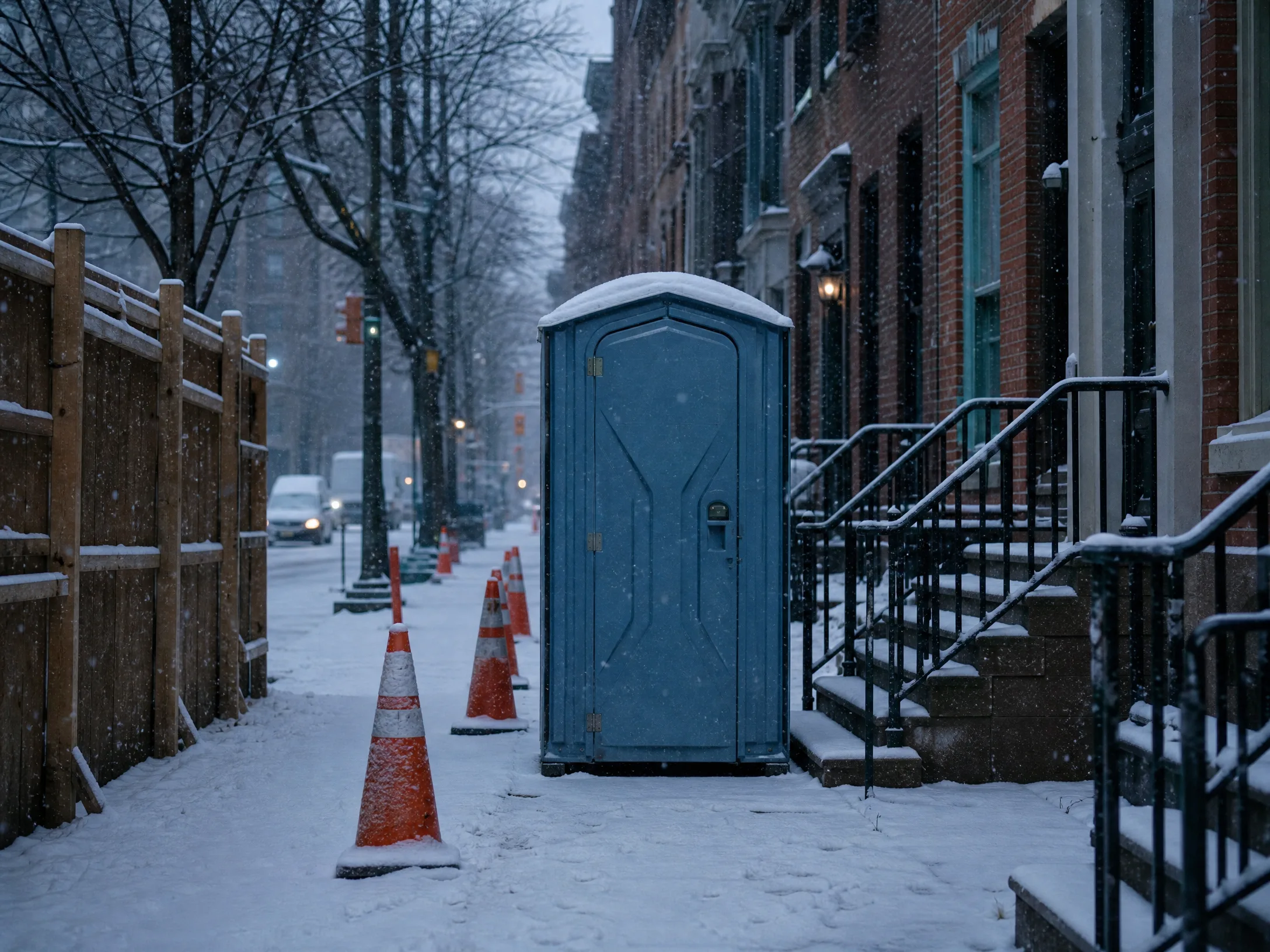
Two windows account for most of them here. Freeze and thaw in January and February, when a shallow line, a riser lid or a pump chamber gives way and the ground is too hard to work quickly. And saturated ground in spring, since Philadelphia averages roughly 41 inches of precipitation a year on NOAA's normals, and a drainfield sitting in a high water table cannot accept effluent no matter how empty the tank is.
The third pattern is behavioural. Holiday weekends with a full house put four days of load through a tank that was already marginal. If you are hosting and the tank is overdue, get ahead of it rather than discovering the answer on the day. Frequency by tank size is on how often a septic tank needs pumping.
Can pumping fix it, or is it something else?
Pumping empties the tank. It does not repair a drainfield, a collapsed line, a failed pump or a cracked baffle. Being honest about that is the difference between a call that solves your problem and one that takes your money and comes back next week.
The tell is the liquid level when the lids come off. Sitting at the outlet invert is normal. Standing above it means the field is not accepting flow, and emptying the tank buys days rather than fixing anything. In that case the pump out is triage while you go to your township sewage enforcement officer, since permitting for repairs sits at municipal level under Act 537 and construction standards come from 25 Pa. Code Chapter 73. What a full visit covers is on septic tank cleaning and septic pumping service.
Is a rowhouse backup a septic emergency?
Usually not, and that saves a lot of wasted call outs. Philadelphia proper is on public sewer. The Philadelphia Water Department serves the city, and roughly 60 percent of it drains through a combined sewer system carrying stormwater and sanitary flow in the same pipe, which the Green City, Clean Waters program has been working on since 2011.
So a basement floor drain that backs up during a heavy storm on a rowhouse block in South Philadelphia, Fishtown or Kensington is usually the lateral or the sewer rather than a tank, because there is no tank. What city properties sometimes do have is a sealed holding tank, and a full holding tank is a genuine emergency with no warning stage at all. See holding tank rental and service.
Real septic emergencies come from the ring: Doylestown at 26.2 miles, Bensalem at 14.8, Norristown at
18.8, Chester at 22.6, Abington at 8.6 and across Lower Merion, Haverford, Upper Darby, Conshohocken, King of Prussia, Camden and Cherry Hill. The whole ring is on service areas.
What does emergency septic service cost?
The base is the same residential band as a scheduled job, $150 to $300 for a tank up to 1,000 gallons, with an out of hours call out charge on top that we state before the truck moves. Nothing about the tank changes because it is midnight. The crew and the truck do.
What adds to it in an emergency specifically:
- Buried lids, since digging at 2am costs what digging at 2am costs
- Longer hose runs where the truck cannot get close
- A second visit within days if the drainfield is the real fault
- Frozen ground in January and February
Full detail is on septic tank pumping cost. If you can wait until morning, say so, and we will book you into the normal schedule at the normal price.
Keeping a site running while the system is down
A house can be evacuated for a night. A jobsite, an event or a restaurant cannot. Rented facilities are the bridge while a system is repaired, and they can usually be on site faster than a repair permit can be issued.
Options that go up the same day where we have stock:
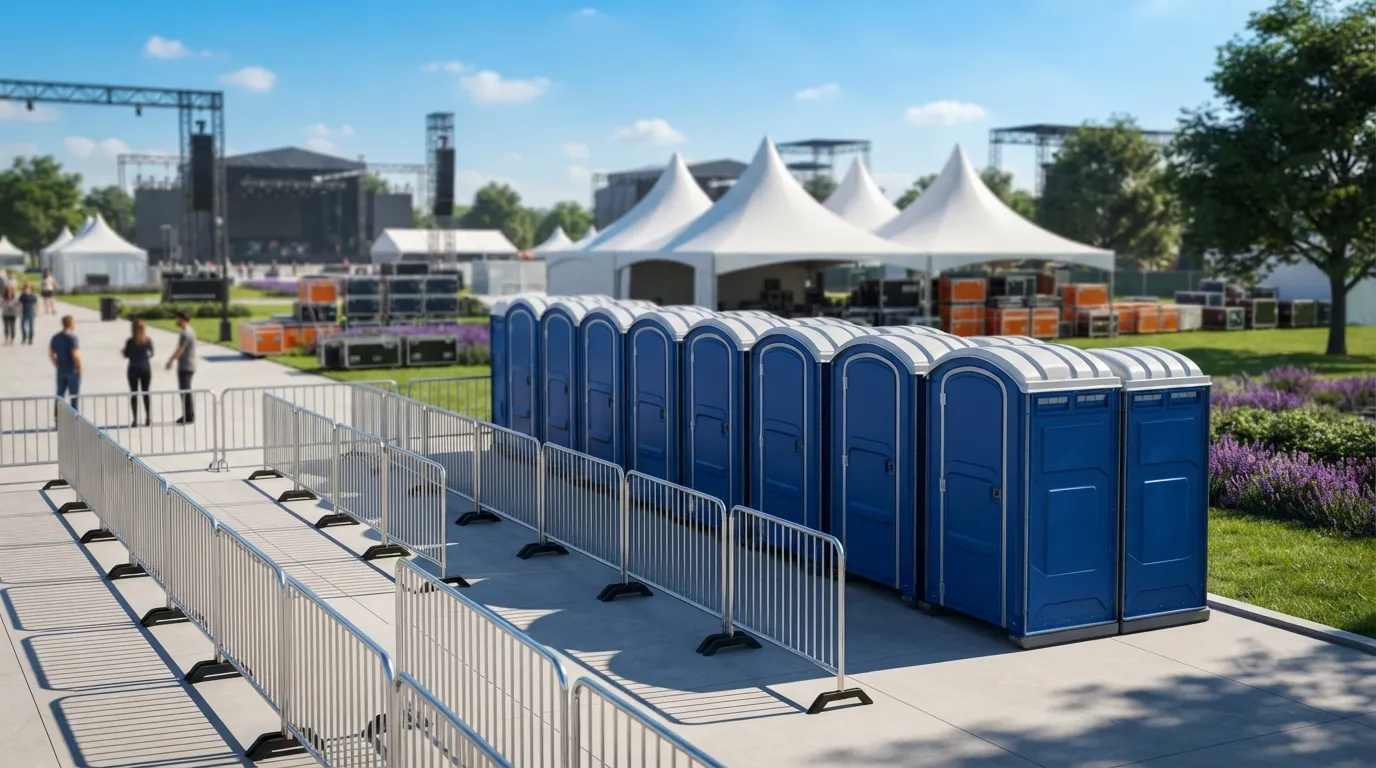
- Emergency porta potty rental for immediate cover
- Standard units or deluxe flushing units for a longer repair
- ADA accessible units where public access is involved, sized around the 60 inch turning space the 2010 ADA Standards require in section 304.3.1
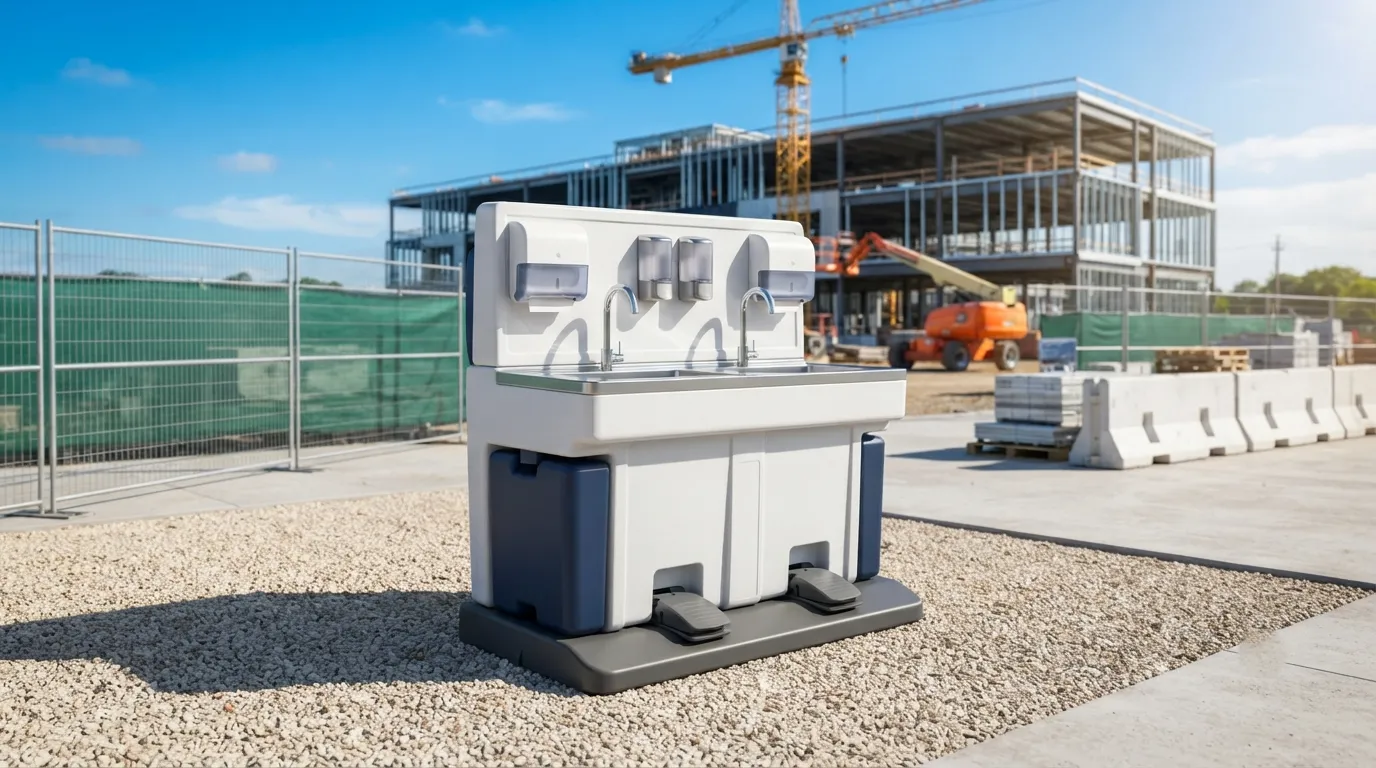
- Handwashing stations and portable sinks, which is what OSHA 1926.51(f) requires on a site with workers
- A restroom trailer where the repair will run for weeks
Crew counts follow OSHA 1926.51(c)(1), one toilet for 20 or fewer workers on a construction site with one toilet seat and one urinal for each 40 above that. See construction site services and disaster relief sanitation for larger incidents.
Questions about emergency septic calls
How fast can you get here?It depends on the hour, the queue and the access. We will give you a real window on the call rather than a number designed to keep you on the line.
Do you work weekends?Yes, and weekends around events at Lincoln Financial Field or Citizens Bank Park need earlier notice because South Philadelphia traffic decides the arrival time.
Can you pump a frozen tank?Usually, though a frozen lid and frozen ground add time and cost.
Will you tell me if pumping will not fix it?Yes, on the spot, with the liquid level as the evidence.
Can you get to a commercial kitchen tonight?That runs through grease trap pumping, and out of hours is normal for kitchens.
Call it in
Do you run a 24 hour septic pumping service?
Yes. Emergency septic pumping service in Philadelphia is dispatched by nearest truck, not by ticket order.
Is emergency septic tank pumping service near me the same thing?
Same call. The words change, the truck does not.
How often should a tank be pumped?
Every 3 to 5 years under US EPA SepticSmart, sooner on a 750 gallon tank with a full house.
Who permits septic work locally?
The county Health Department. Haulers are licensed separately and manifests are checked.
What triggers a pump out?
Sludge at about one third of tank depth. On a 750 gallon tank that arrives faster than people expect.
Give us the address, what you are seeing and where a truck can park. Contact us or request a quote if it can wait for morning. Background reading: septic pumping service, warning signs, the FAQ, about us and the home page.
Next step
Get a delivery date
Tell us the address, the dates and the headcount. We size the order and confirm the route.