
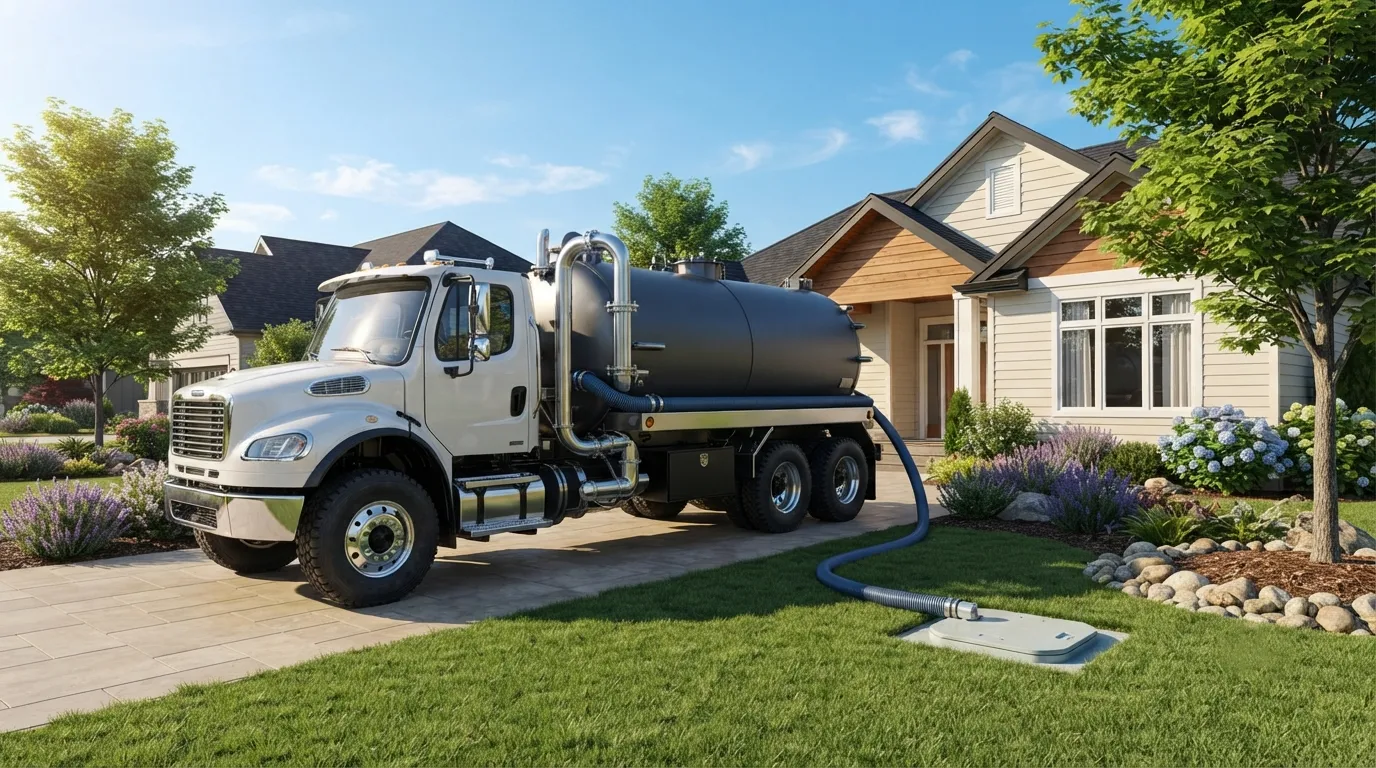
What does septic pumping service include?
Septic pumping is the removal of accumulated sludge and scum from a septic tank by vacuum truck, so the tank holds only the liquid layer it was built to treat. It is not a repair, and it does nothing for a failed drainfield. It is emptying the tank before the solids reach the outlet.
A normal residential visit covers:
- Locating and opening the access lids, or the riser where one is fitted
- Vacuuming both compartments, not just the inlet side
- Backflushing to break up compacted sludge on the floor of the tank
- Pulling and rinsing the effluent filter back into the tank
- A look at the inlet and outlet baffles and at the liquid level once it refills
- Sealing the lids and hauling the septage to a permitted receiving facility
Pumping only the first compartment is the corner most often cut, and it is why a tank emptied two years ago can still be pushing solids into the field. Ask which compartments were done. The same crew handles septic tank cleaning, which is the same visit under a different name.
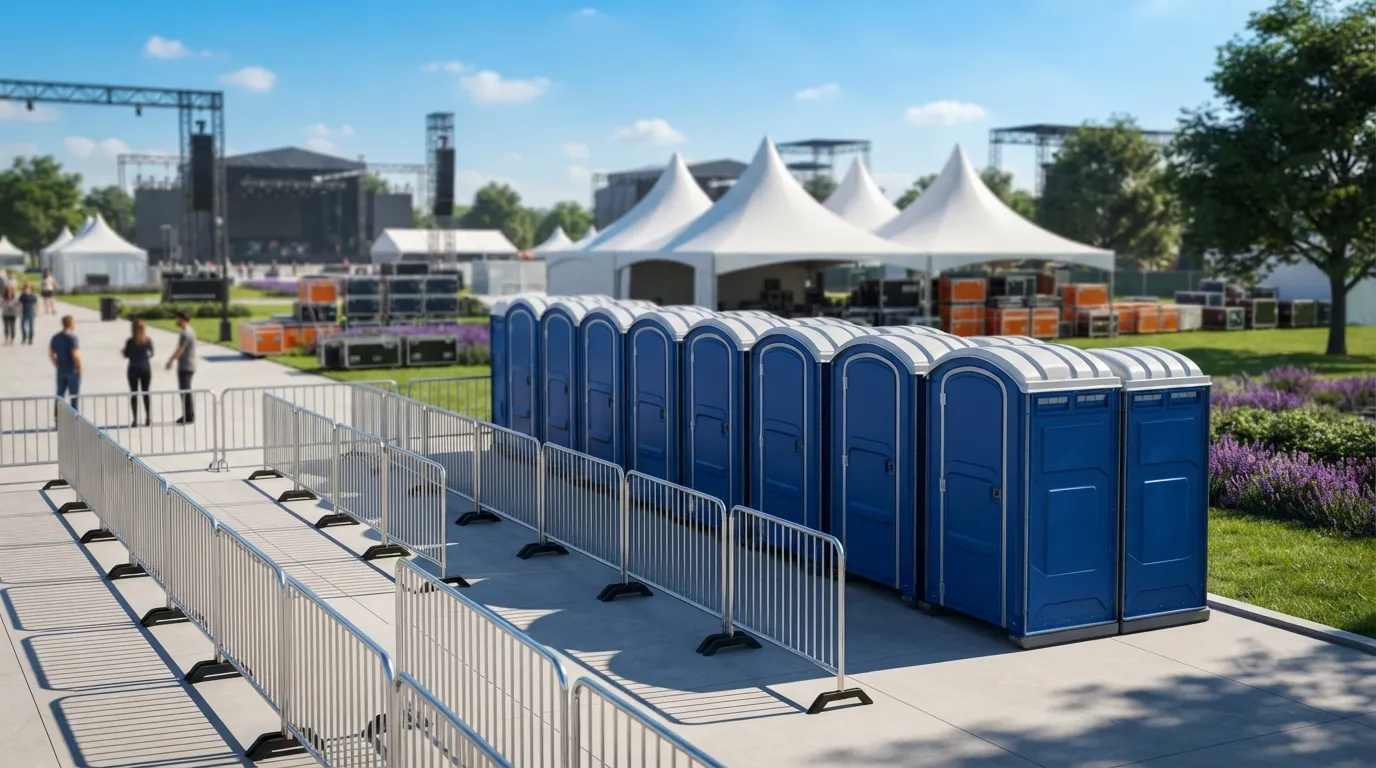
What does a septic pump out cost in Philadelphia?
Typical market ranges, reviewed July 2026. These are ranges, not a quote.
| Job | Typical range | What moves it |
|---|---|---|
| Residential tank to 1,000 gallons | $150 to $300 | volume and access |
| Tank of 1,250 to 1,500 gallons | top of that band or above | extra volume hauled |
| Repeat visit inside the same year | low end of the band | tank already located |
| Emergency or after hours | a call out premium on top | crew and truck out of hours |
| Holding tank pump out | $150 to $300 a visit | frequency, not tank size |
| Grease trap | priced by interceptor size | disposal costs more |
Water weighs 8.34 pounds per gallon, so a full 1,000 gallon tank is carrying more than 8,300 pounds of liquid, and the haul to a permitted receiving plant is a genuine share of the invoice. Distance from the tank to where the truck can park is the other half. Line by line detail sits on septic tank pumping cost, and our porta potty rental cost page uses the same format for rental equipment.
How often does a septic tank need pumping?
Every three to five years for most households, on the US EPA SepticSmart guidance. The real interval depends on tank volume against the number of people using it. Penn State Extension publishes the estimated frequency table that most of the region works from, and it puts a 1,000 gallon tank serving four people at roughly every 2.6 years, while the same tank serving two people stretches to about 5.9 years.
| Tank size | 2 people | 4 people | 6 people |
|---|---|---|---|
| 750 gallons | 4.2 years | 1.8 years | 1.0 years |
| 1,000 gallons | 5.9 years | 2.6 years | 1.5 years |
| 1,250 gallons | 7.5 years | 3.4 years | 2.0 years |
| 1,500 gallons | 9.1 years | 4.2 years | 2.6 years |
Garbage disposals, a finished basement laundry and a rental property with changing occupancy all shorten those numbers. The full explanation is on how often a septic tank needs pumping.
Warning signs that a tank is overdue
Slow drains through the whole house at once. Gurgling from a fixture nobody is using. Standing water or an unusually green stripe of grass over the drainfield in August. Smell outside near the lids after rain.
None of those is subtle once you know what you are looking at, and the expensive mistake is treating a whole-house slowdown as a clog and putting a drain snake down a line that is backing up because the tank is full. Each sign, what causes it and what it costs to ignore, is set out on septic tank warning signs. If sewage is already at a floor drain, that is an emergency septic call rather than a scheduled one.
Where septic systems actually are around Philadelphia
Philadelphia proper is on public sewer. The Philadelphia Water Department serves the city, and roughly 60 percent of it drains through a combined sewer system that carries stormwater and sanitary flow in the same pipe, which is why the city has run its Green City, Clean Waters program since 2011. Inside the city limits you will find holding tanks far more often than septic tanks.
The septic work is out in the ring:
- Doylestown at 26.2 miles, in Bucks County
- Bensalem at 14.8 miles, also Bucks
- Norristown at 18.8 miles and King of Prussia at 17.3, in Montgomery County
- Abington at 8.6 miles and Conshohocken at 13.5, also Montgomery
- Chester at 22.6 miles and Haverford at 11.9, in Delaware County
- Lower Merion at 11.4 and Upper Darby at 11.5, on the western edge
- Camden at 7.3 miles and Cherry Hill at 13.6, over the river in New Jersey
Every one of those sits inside our normal ring. The full map is on service areas, and the Philadelphia page covers how the city itself differs.
Getting a vacuum truck to the tank
This is the Philadelphia constraint, and it applies to septic work more than to anything else we do. A pump truck is longer and heavier than a delivery truck carrying a standard unit, and on the narrow rowhouse blocks across South Philadelphia, Fishtown, Kensington and much of West Philadelphia a single car parked on the wrong corner ends the visit.
What decides whether the job runs:
- Hose reach. A typical vacuum truck carries 100 to 200 feet of 3 inch suction hose, and past that the truck has to get closer rather than the hose get longer.
- Where the lids are. A tank under a deck or a parking pad costs digging time before pumping starts.
- Overhead clearance on the approach, since the boom and hatch sit high on the tank body.
- Whether the crew can turn around, because reversing 200 feet down a one way block is not a plan.
Tell us the block and the approach when you book. It is the same conversation we have about placement for rentals, and it changes the arrival window more than the mileage does.
What Pennsylvania rules apply to a septic tank?
Onlot systems in Pennsylvania sit under the Pennsylvania Sewage Facilities Act, Act 537 of 1966, which makes each municipality responsible for planning its own sewage facilities and puts permitting in the hands of a local sewage enforcement officer rather than a single state office. Construction and repair standards come from 25 Pa. Code Chapter 73, the Department of Environmental Protection rules for onlot sewage treatment facilities, which set minimum tank capacity by the number of bedrooms a house has.
Two practical consequences. A permit to alter or replace a system comes from your township or borough, not from Harrisburg and not from us. And septage has to go to a facility permitted to receive it, which is why a legitimate hauler can tell you where your tank's contents went.
Do you handle emergency septic calls?
Yes. A backed up tank does not wait for an appointment slot, and the honest answer is that response time depends on where the truck is when you call and whether it can reach your tank when it arrives.
Emergencies here cluster in two patterns. Freeze and thaw in January and February, when a shallow line or a riser lid gives way. And saturated ground in spring, since Philadelphia averages about 41 inches of precipitation a year on NOAA's normals, and a drainfield sitting in a high water table cannot accept effluent no matter how empty the tank is. The full detail is on 24 hour septic service. For a site that has lost its facilities entirely, emergency porta potty rental is the stopgap while the system is fixed.
Septic work on a jobsite
Construction sites rarely have a tank. They have crews, and OSHA 1926.51(c)(1) requires one toilet for 20 or fewer workers on a construction site, then one toilet seat and one urinal for each 40 workers above that. Washing facilities are a separate requirement under OSHA 1926.51(f).
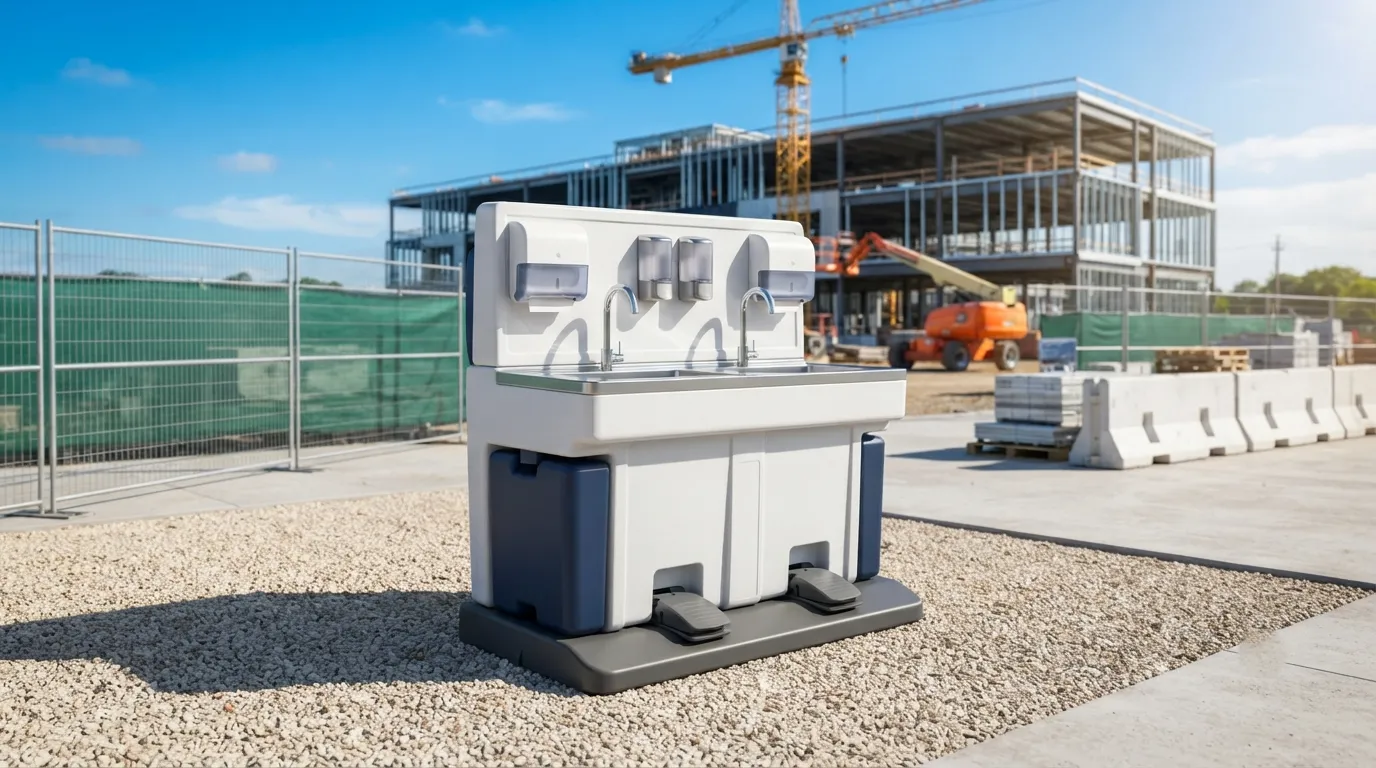
That is a rental conversation rather than a pumping one, and it runs through construction site services, portable toilet rental, handwashing stations and the sizing calculator. Servicing on those units follows ANSI/PSAI Z4.3, the industry standard for non-sewered waste disposal systems, which treats weekly service as the baseline under ordinary use. If the site also needs debris handling, see roll off dumpster rental and construction dumpster rental.
Questions about septic pumping in Philadelphia
How long does a pump out take?Thirty to sixty minutes once the truck is parked and the lids are open. Finding a buried lid can double that, which is the argument for fitting risers.
Do I need to be home?No, provided we can reach the tank and you have told us where the lids are.
Do additives mean I can skip pumping?No. Nothing you pour down a drain removes the inorganic solids that settle on the floor of the tank. The EPA is direct about this in its SepticSmart material.
Can you pump a tank in the city?Usually what is in the ground inside Philadelphia is a holding tank rather than a septic tank. See holding tank rental and service.
Do you service restaurants?Yes, on grease trap pumping, which is a different waste stream and a different disposal route.
Is a permit needed to pump a tank?Not for a routine pump out. Permits attach to installing, altering or repairing a system, and inside Philadelphia the portable toilet and holding tank application runs through the Department of Public Health under its infectious waste program rather than a streets department, which surprises most contractors. See permit requirements.
Book a septic pump out
Is septic tank pumping service the same as a clean?
Pumping removes the contents. Cleaning scrapes the walls after. Septic system pumping service usually means both.
Is septic pumping service near me priced by tank size?
Largely. 1000 gallon septic tank pumping cost is the common benchmark around Philadelphia.
Give us the address, the approximate tank size, when it was last emptied and where the truck can park. Request a quote or contact us. You can also read what pumping costs, the warning signs, pumping frequency, the FAQ, about us or start again from the home page.
Next step
Get a delivery date
Tell us the address, the dates and the headcount. We size the order and confirm the route.