
That single routing fact catches out more contractors here than any rule about placement. If you have run jobs in other cities, unlearn the streets department habit before you start making calls.
Do you need a permit for a porta potty in Philadelphia?
Only when the unit sits on public ground. A unit on a driveway, in a rear yard, inside a fenced site or on a private parking lot needs nothing from the city, and that is the fastest route to a next day delivery.
| Where the unit goes | City permit needed |
|---|---|
| Private driveway or rear yard | No |
| Inside a fenced construction site on private land | No |
| Private parking lot, with the owner's consent | No |
| Public footway or street | Yes |
| City park land or a public event site | Yes, plus the event approval |
| A closed street for a block party | Yes, plus the street closure |
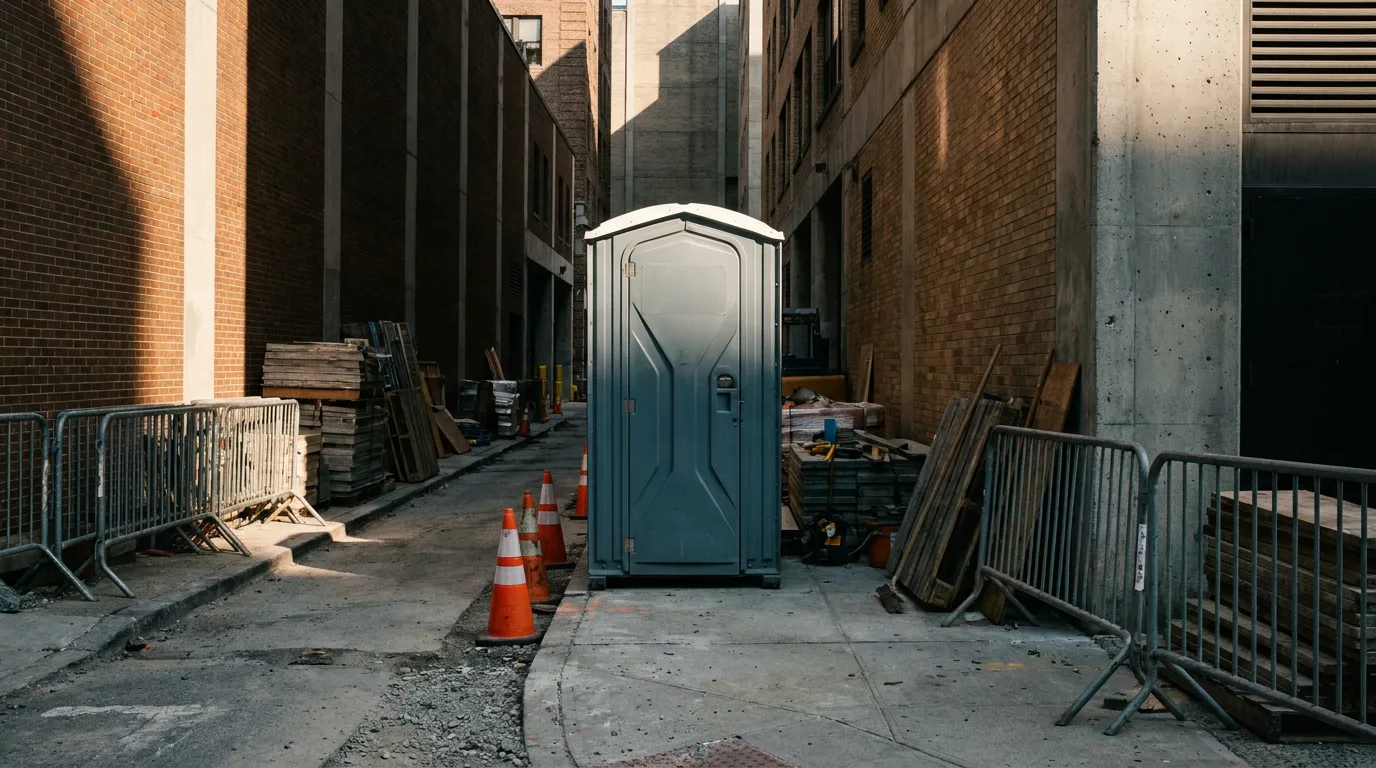
The moment any part of the unit crosses onto a footway or a cartway you are occupying the public right-of-way, and that is a different conversation. A standard unit is about 44 by 48 inches at the base, which sounds small until it lands on a rowhouse footway that is under 5 feet wide to begin with.
Who issues the permit, and why is Philadelphia different?
The City of Philadelphia Department of Public Health issues it, through the same infectious waste program that oversees how portable toilet waste is handled and hauled. The form covers portable toilets and holding tanks together.
Most cities put portable units under a streets, transportation or right-of-way office because the issue is seen as occupancy. Philadelphia treats it primarily as a public health question, which is why the application lives where it does. Anyone running an event with portable units is expected to apply.
Compare that with containers, which split across two other agencies entirely. Licenses and Inspections issues the dumpster license under Philadelphia Code Section 10-722, and the Streets Department issues the placement permit. The full container process is on dumpster permit requirements, and it is worth reading if a roll-off is going out front the same week as the unit.
What else do you need for a street placement?
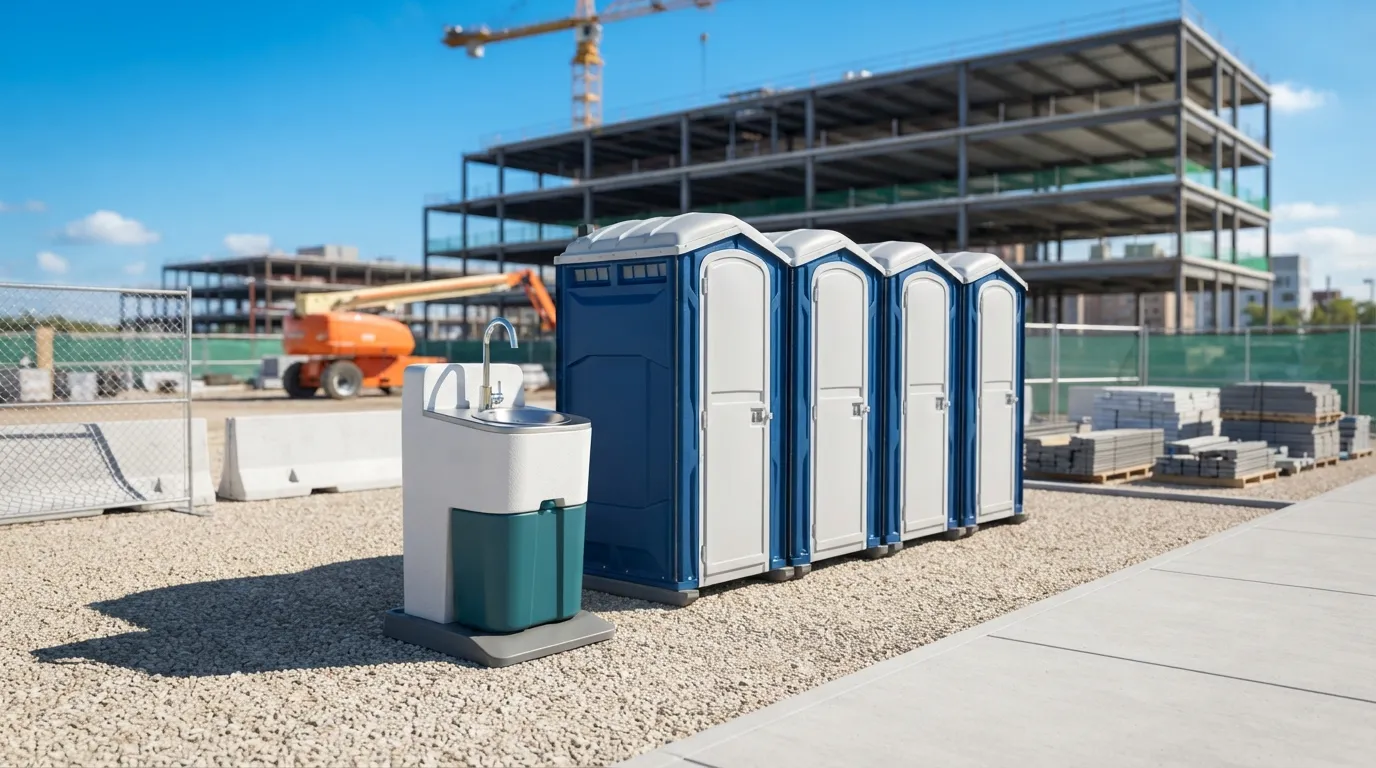
Usually a parking prohibition, because a unit and the truck that services it both need kerb space that somebody is currently parked in. The Streets Department Right-of-Way Unit handles temporary no parking, and its published rate for a dumpster sized temporary no parking permit is $40 for up to seven days, with occupancy charged at $50 per day for 40 feet of space in Center City and University City and $25 per day in other neighbourhoods.
A block party needs the street closure approved separately from any sanitation paperwork. Those are two different applications and neither one substitutes for the other.
Order of operations that works:
- Decide whether the unit can sit on private ground. If yes, stop here.
- Confirm the exact placement address and the dates, before you apply for anything.
- File the Department of Public Health portable toilet and holding tank application for the unit itself.
- Arrange temporary no parking with the Streets Department Right-of-Way Unit on (215) 686-5500.
- Handle the street closure separately if the event closes the block.
- Post the no parking signs the day before, and knock on doors. People here move their cars when asked and
rarely before that.
What about events at the big venues?
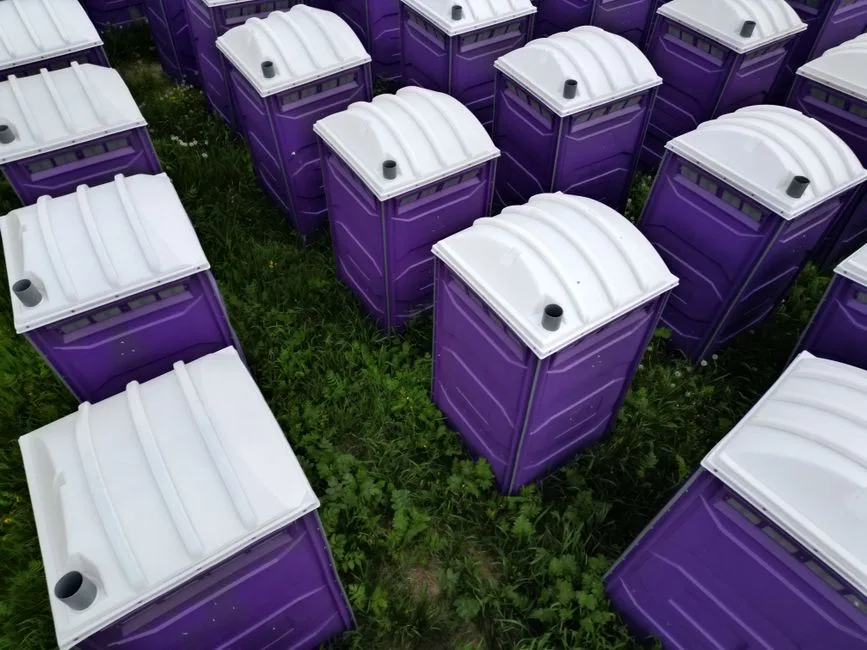
Event sites carry their own approval layer on top of the city permit. Work at Lincoln Financial Field, Citizens Bank Park or the Wells Fargo Center runs through the venue's own operations team, which controls where a truck may enter, when, and what the lot layout looks like on the day.
Fairmount Park and Penn's Landing events run on public ground, so the Public Health application applies and the event organiser's own permit sits alongside it. In practice the organiser handles the event permit and you handle the units, and the two need to name the same placement points. See event restroom rental, festival restrooms and concert restroom rental for how those orders are structured, and the unit calculator for the counts.
Are there rules about where the unit can sit?
Yes, and the accessibility rules bind whether or not a permit is involved. The 2010 ADA Standards for Accessible Design require a minimum 36 inch clear width on an accessible route at section 403.5.1, so a unit that leaves less than that on a footway is a problem even on a private frontage that fronts a public pavement.
Other placement rules that come up in this city:
- Do not block a fire hydrant, a fire escape landing zone or a building egress
- Keep the unit clear of a corner sight line at an intersection
- Leave a level, firm surface under it, because a unit on a slope leaks at the seal
- Keep truck access to the unit, which is a separate question from pedestrian access
The placement guide goes through clearance, gradient and the servicing approach in detail.
Does OSHA require a permit?
No. OSHA is a workplace standard, not a permitting authority. OSHA 1926.51(c)(1) requires one toilet for 20 or fewer workers on a construction site, then one toilet seat and one urinal per 40 workers above that, and it says nothing about city paperwork. Pennsylvania runs no state OSHA plan for private employers, so the federal text applies here directly.
A site can be fully OSHA compliant and still be occupying the right-of-way without approval. They are separate obligations with separate consequences. Read OSHA portable toilet requirements for the workplace side and construction site services for how a site package is put together.
What about the suburbs and New Jersey?
Each municipality sets its own rule and none of them use Philadelphia's Public Health routing. The townships and boroughs in the ring generally handle portable units through a building or code enforcement office, and most residential placements on private property need nothing.
Across the river the process is a New Jersey municipal one rather than a Pennsylvania one, which matters for jobs in Camden at 7.3 miles and Cherry Hill at 13.6 miles from the city. On the Pennsylvania side, King of Prussia, Norristown and Upper Darby each run their own process. Ask us before you apply and we will tell you what we have run into recently on that block. Full coverage is on service areas.
Book the unit, then handle the paperwork
What are the porta potty rules and regulations here?
Private ground needs nothing. Public ground needs the permit named above, before the drop.
Are there porta potty placement rules beyond the permit?
Yes. Level ground, truck access, and a clear pedestrian route past the unit.
Do you need a permit for a dumpster too?
On the street, yes. A permit for dumpster on street placement is a separate application.
Tell us the address and the dates and we will say plainly whether you need a permit at all, because on most residential jobs in this city the answer is no. Request a quote or contact us. Related pages: porta potty rental in Philadelphia, what rental costs, monthly hire, ADA units, holding tanks, temporary fencing, the booking checklist, the FAQ and the home page.
Next step
Get a delivery date
Tell us the address, the dates and the headcount. We size the order and confirm the route.