
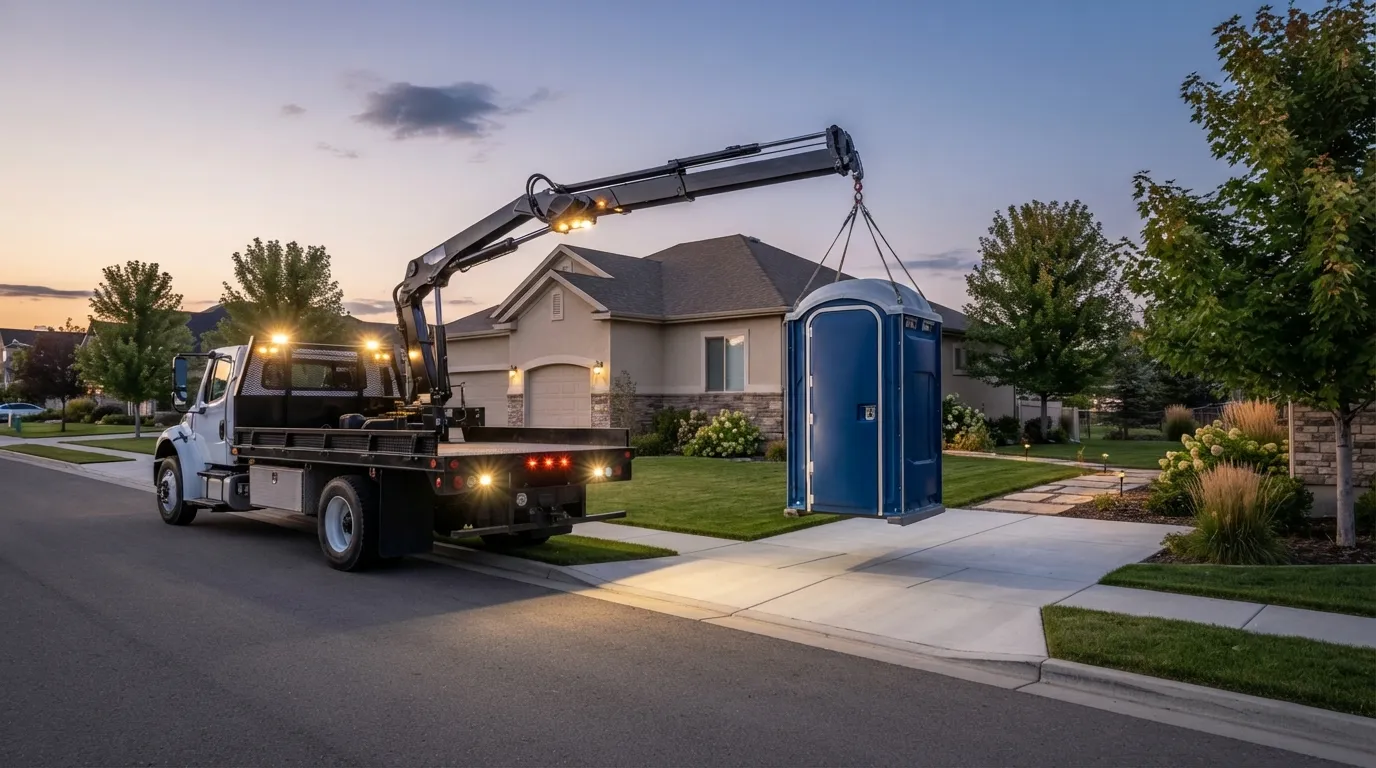
What counts as an emergency portable toilet rental?
An emergency portable toilet rental is a same day placement made because a building's own facilities have stopped working, or because a site has become unusable, rather than because someone planned an event. The equipment is the same. The scheduling is not.
The calls we get in this city cluster into a handful of causes:
- A water main break that takes a building's supply out, and its restrooms with it
- A sewer backup or a blocked lateral under a rowhouse
- Basement flooding after heavy rain, which is a recurring problem across the older city
- A failed commercial restroom in a restaurant, shop or office
- Storm damage that closes part of a building
- A site inspection that finds a jobsite short of units and stops work
- An event where the count was wrong and it became obvious by lunchtime
If your problem is on that list, call rather than fill in a form. Numbers and hours are on the contact page.
How fast can you deliver in an emergency?
Same day is normal where the street works, and next morning is the realistic worst case. The variable is access, not stock.
What speeds it up:
- The block and the side of the street, given in the first sentence
- A named person on site who can move a car
- A placement that a truck can reach without a reverse down a one-way
- Calling in the morning rather than after 3pm
- Flexibility on unit type, since a standard unit is always the fastest
What slows it down is the same thing that slows any Philadelphia delivery. South Philadelphia, Point Breeze, Bella Vista, Fishtown and much of West Philadelphia are narrow, one-way and parked solid. The cabin is roughly 44 by 48 inches on manufacturer figures, so it fits. The truck is the constraint, and a second delivery attempt after a failed approach is normally chargeable even on an emergency. The placement guide covers what the driver needs.
Why sewer and flooding calls spike here
Much of older Philadelphia is drained by a combined sewer system, where stormwater and sanitary flow share the same pipe. That system is the reason the Philadelphia Water Department runs its Green City, Clean Waters program to reduce combined sewer overflows. The practical consequence for a property owner is that a heavy summer storm is not just a drainage event, it can put a building's toilets out of use for a day or more.
Rowhouse basements make it worse, because the lowest fixture in the house is often the first to back up. When that happens the building needs a unit on the pavement or in the rear yard while the plumbing is sorted out, and it needs it that afternoon rather than next week.
Where the failure is on the private side of the line, we can also pump. See emergency septic service, septic tank warning signs and holding tank rental for the tank side of the problem.
What emergency response covers beyond toilets
Four services get called out together often enough to be worth listing:
| Situation | What usually goes out |
|---|---|
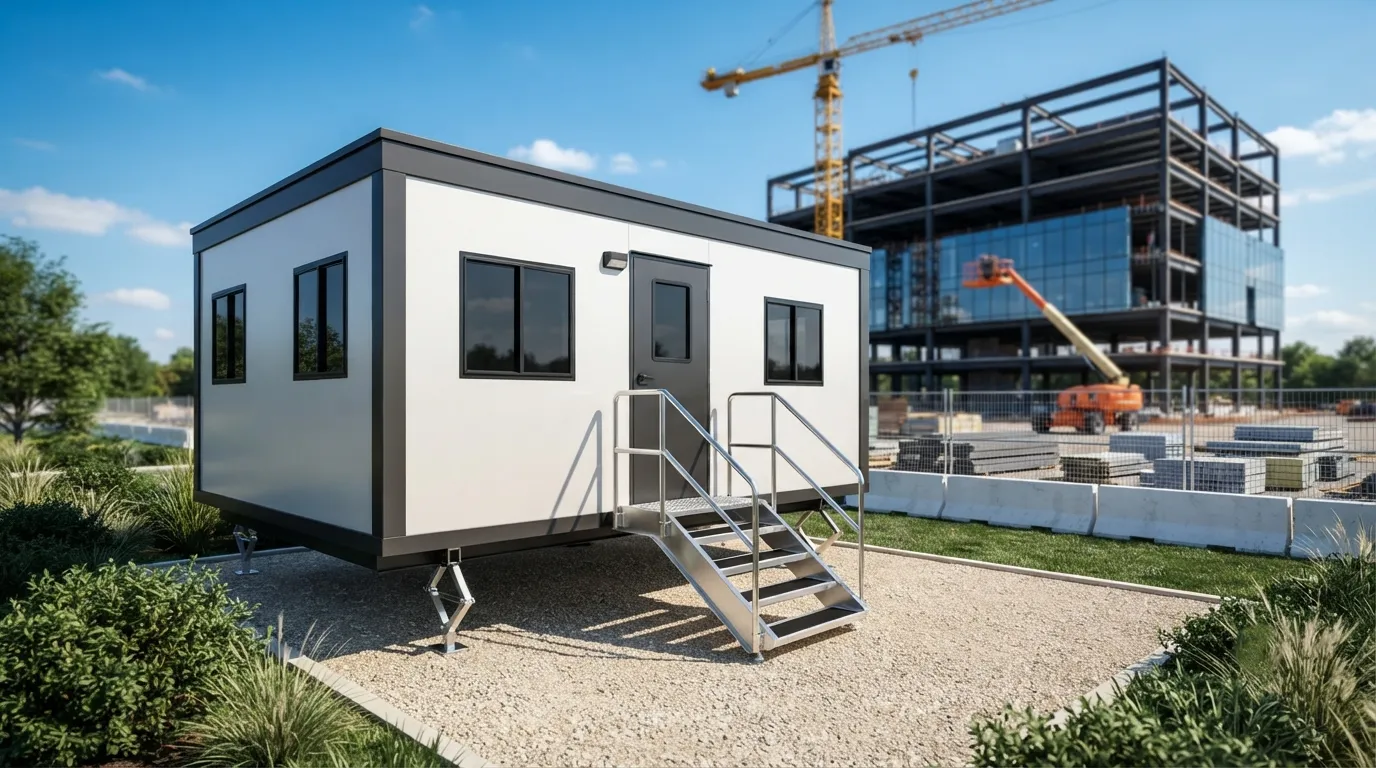
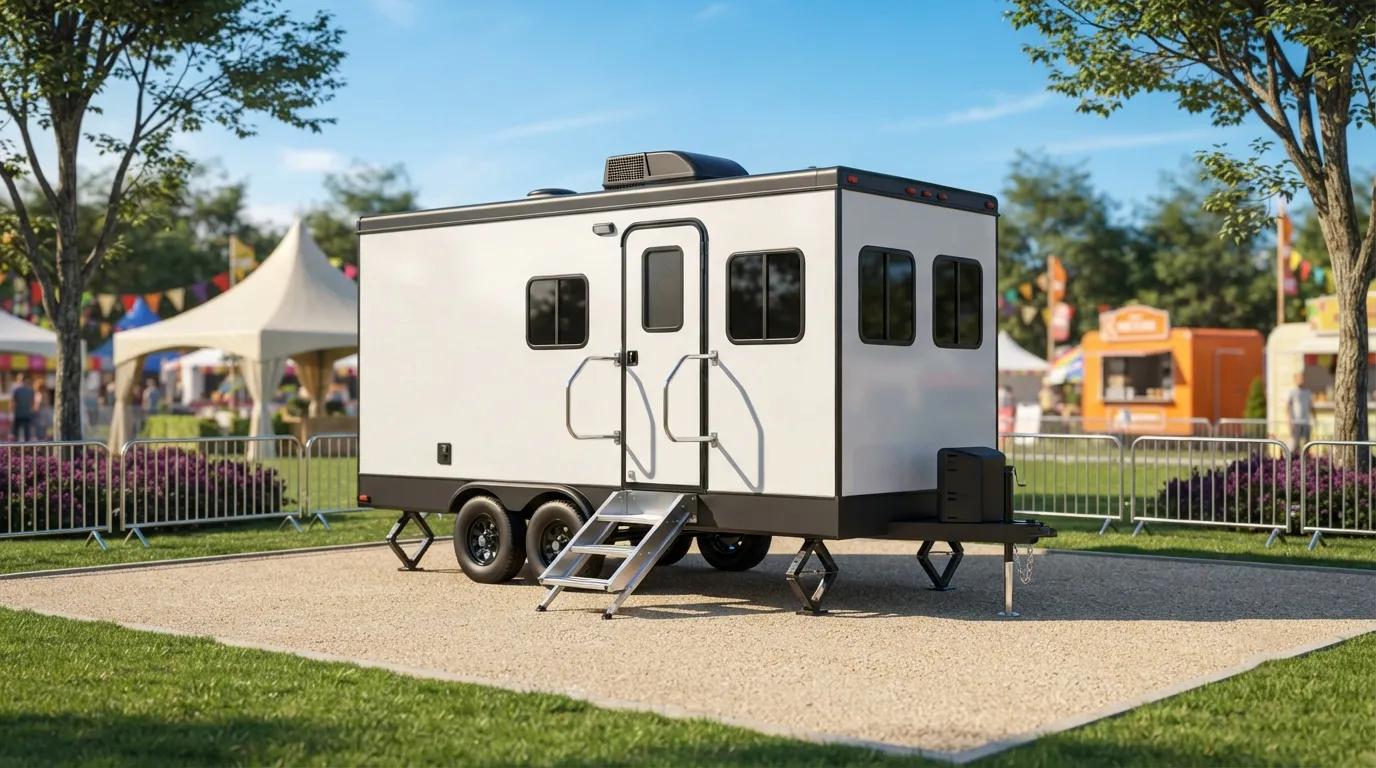
| Building restrooms offline | Standard units, or a restroom trailer for a public building |
| Septic or holding tank failure | Emergency septic pumping, typically $150 to $300 per job |
| Restaurant kitchen drain failure | Grease trap pumping |
| Displaced residents or responders | Shower trailers and handwashing stations |
Larger incidents move into a different bracket entirely. Extended deployments, staging areas and welfare provision for responders are covered on the disaster relief sanitation page, which is the one to read if you are planning rather than reacting.
Emergency rental cost in Philadelphia
Typical market ranges, reviewed July 2026. Ranges, not a quote, and same day work sits toward the top of each band because it cannot ride an existing route.
| Line | Typical range |
|---|---|
| Standard unit, first day | $100 to $350 |
| Weekend, if it stays | $125 to $250 |
| Monthly, if the repair runs long | $125 to $325 |
| Delivery, same day context | $100 to $150 |
| Extra service visit | $60 to $100 |
| Septic or tank pump-out | $150 to $300 |
If the repair is going to run more than about ten days, switch the booking to a monthly rate rather than paying day rates in sequence. Everything is broken out on the cost page.
Do you need a permit for an emergency placement?
On private property, no. On public ground the usual Philadelphia rule still applies, and it is not the one most people expect. Portable toilet permits here are issued by the Department of Public Health, under its infectious waste program, on the application that covers portable toilets and holding tanks together, rather than by a streets or transportation department.
In a genuine emergency the sensible order is to get the unit in place and file promptly, and to talk to the building's own management or the responding agency about what they have already lodged. Read the permit requirements page so you know which desk you are dealing with before you start ringing round.
Emergency units on a jobsite
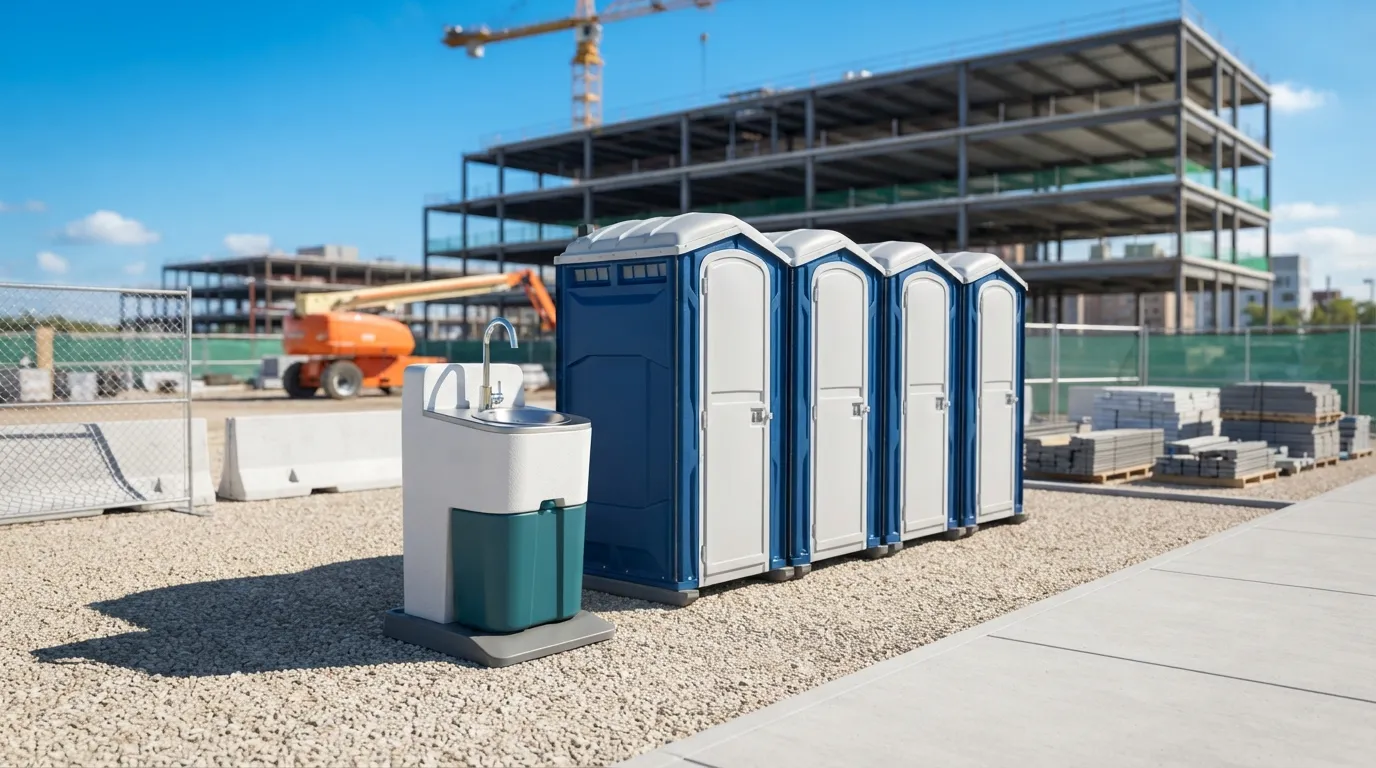
Sites get shut down over sanitation more often than people expect. OSHA 1926.51(c)(1) requires one toilet for 20 or fewer workers on a construction site, then one toilet seat and one urinal for each 40 workers above that, counted by people on site rather than by contractor. A crew that doubles for a concrete pour can cross that line inside a day.
Washing facilities are a separate requirement under OSHA 1926.51(f), and a site with toilets but no washing provision is still short. That is what a handwashing station, a portable sink or a sanitiser stand fixes, usually the same day. The OSHA requirements guide has the full table and the calculator settles the count.
Public events have their own floor. The 2010 ADA Standards require at section 213.2 Exception 4 that where portable units are clustered, 5 percent of each cluster and at least one must comply, so an emergency top-up order should include an accessible unit rather than only standards.
Servicing during an emergency placement
An emergency unit often takes far heavier use than a planned one, because it is replacing a building's entire restroom provision. A standard holding tank runs 60 to 70 gallons on manufacturer specs, and a full one carries over 500 pounds of waste at 8.34 pounds per gallon.
ANSI/PSAI Z4.3, the industry standard for non-sewered waste disposal systems, sets weekly service as the baseline under ordinary use. An office building of forty people on two units is not ordinary use, so book service two or three times a week from the start rather than waiting for the complaint. See how often units are cleaned.
Questions about emergency rentals
Do you charge more for same day?Delivery sits at the top of the band, $100 to $150, because a same day run cannot ride an existing route. The unit price itself does not change.
Can you deliver at night?Sometimes, depending on the location and the block. Ask when you call.
What if the street is blocked?We will tell you before dispatch if the block is known to be difficult. If a delivery fails on arrival, re-delivery is normally chargeable.
Do you cover New Jersey and the suburbs for emergencies?Yes. Camden at 7.3 miles, Cherry Hill at 13.6, Upper Darby at 11.5 and the rest of the ring on service areas.
Will it work in the cold?Yes, with the winter chemical mix. A flushing unit is the wrong choice in freezing weather, so an emergency in January goes out as a standard. See porta potties in winter.
Call now
Is this the same as emergency portable toilet rental?
Yes. Emergency porta potty rental near me is the phrase most Philadelphia callers use at 6am.
Do you run emergency septic pumping service too?
We do. Emergency septic tank pumping service near me and tank alarms are the same call for us.
How often is a unit serviced?
Weekly is the ANSI/PSAI Z4.3 baseline. Heavy use moves it to twice a week.
For anything urgent, phone rather than email. Contact us or request a quote if it can wait until tomorrow. Background reading: the Philadelphia rental page, portable toilet rental, the FAQ and the home page.
Next step
Get a delivery date
Tell us the address, the dates and the headcount. We size the order and confirm the route.